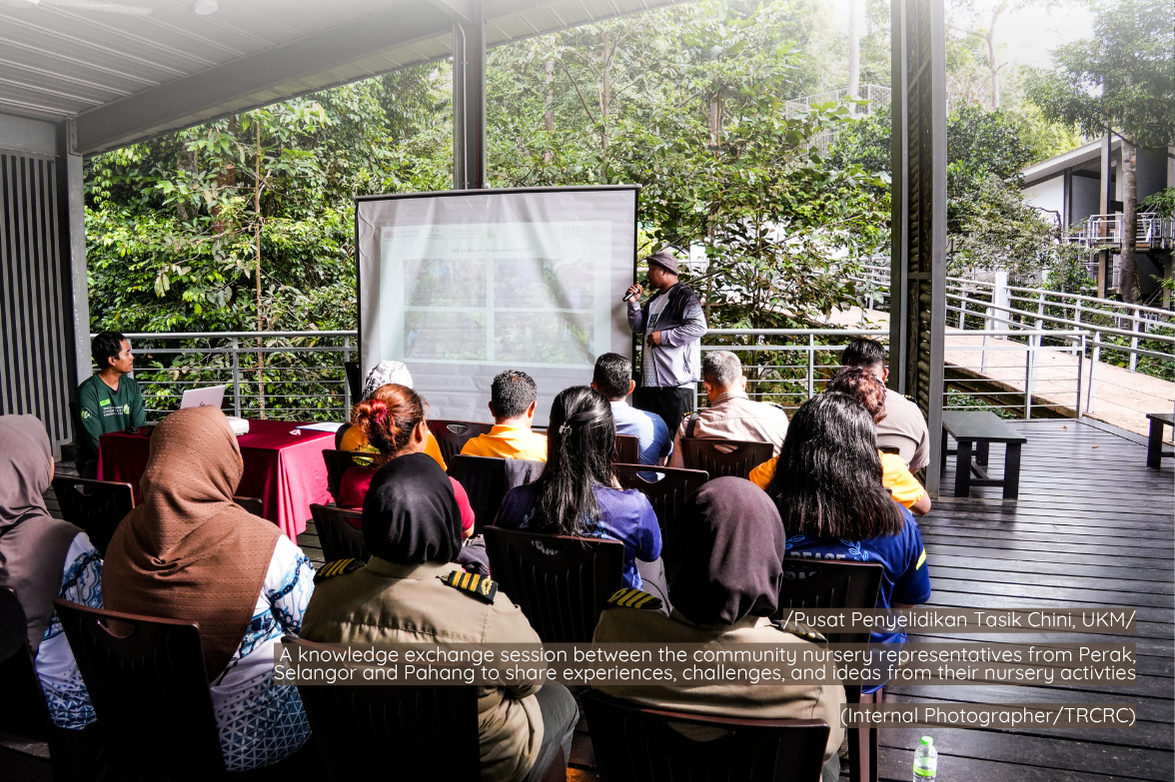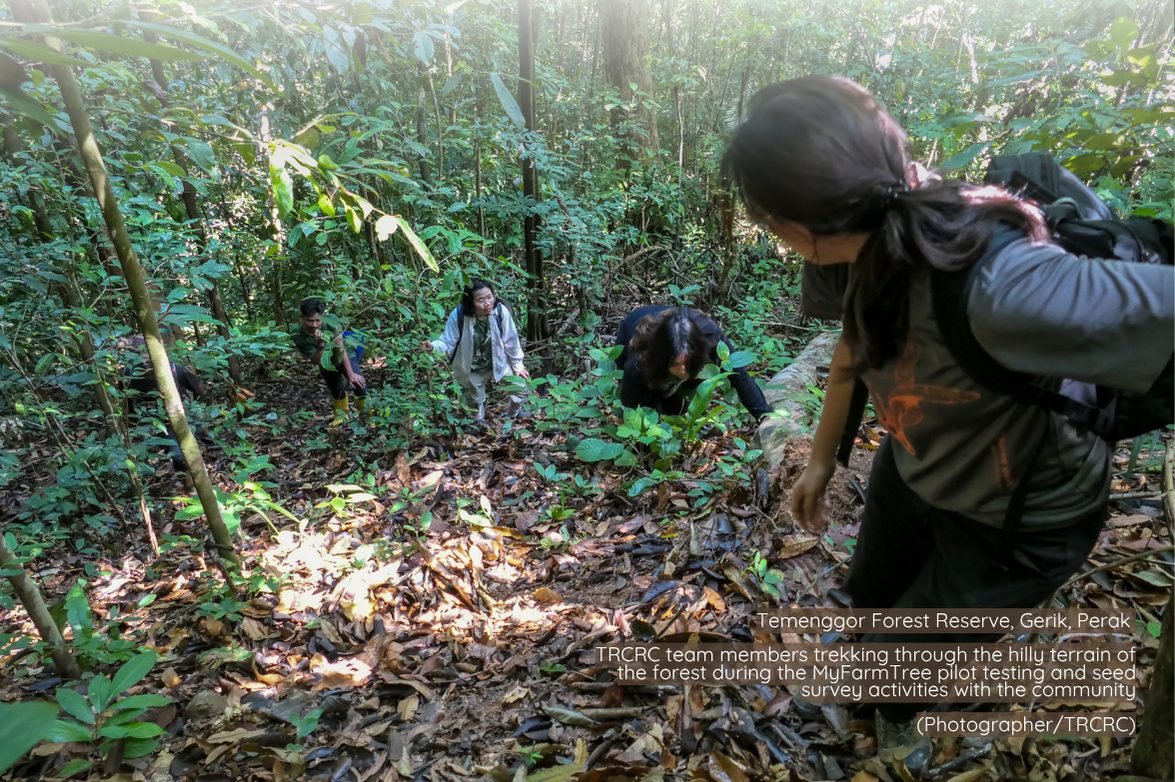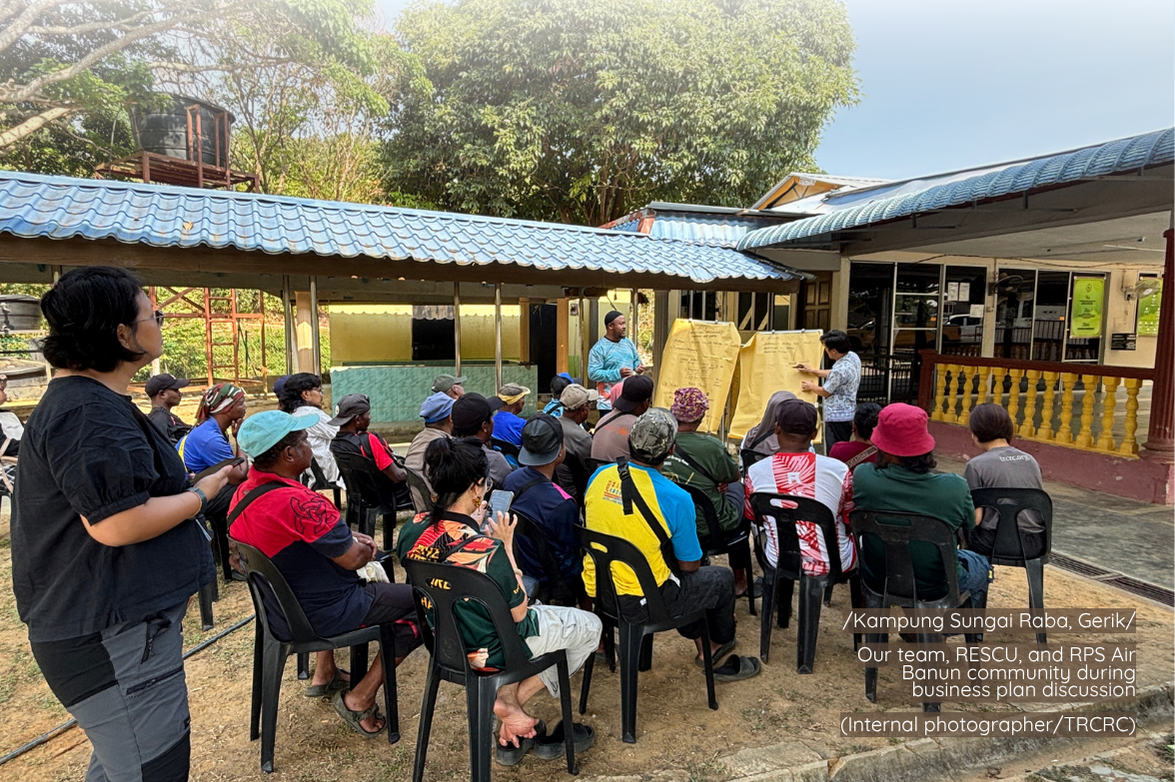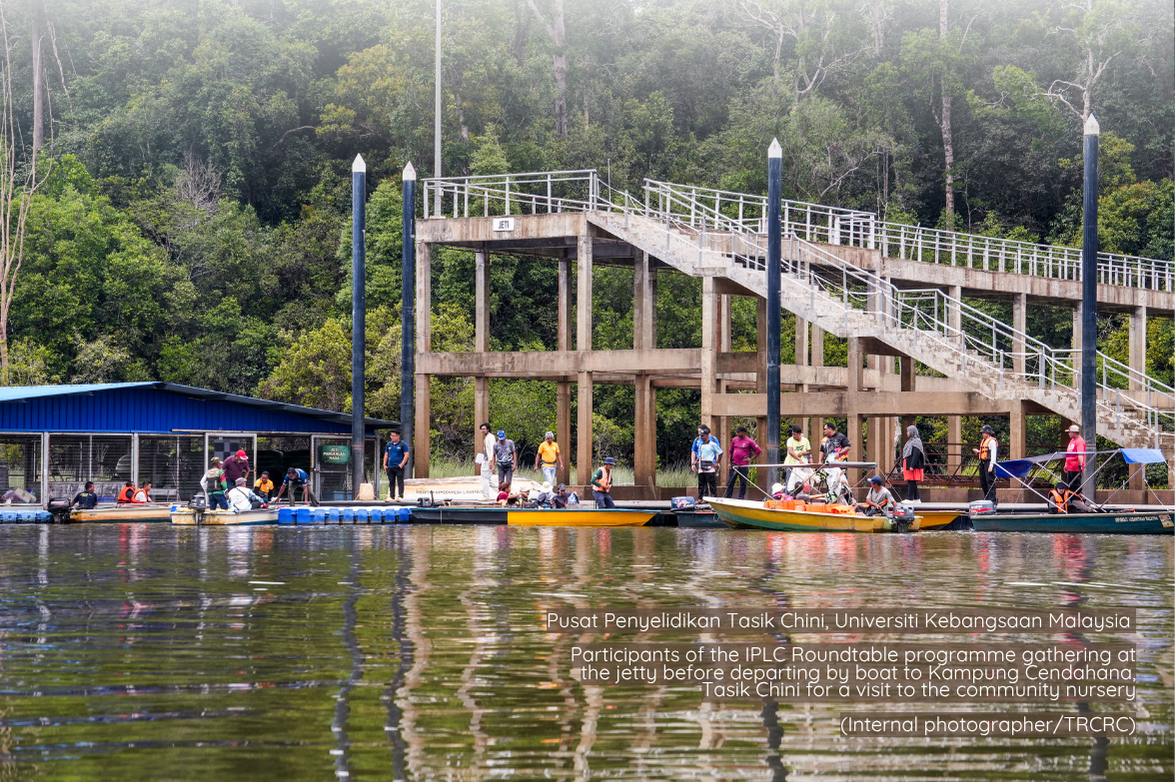

Every tree comes from a seed and every conservationist has a beginning. 🌱
Through the Youth Conservation Trainee Programme (YCTP), we had the opportunity to learn and work alongside other conservationists. We got to experience what it means to restore and protect Malaysia’s tropical rainforest.
Our journey has brought us to places that some of us never knew about its existence before. From research centres such as FRIM, MARDI and Rimba Ilmu, to the forests of Royal Belum and Pulau Banding. And each visit offered new lessons and stories.
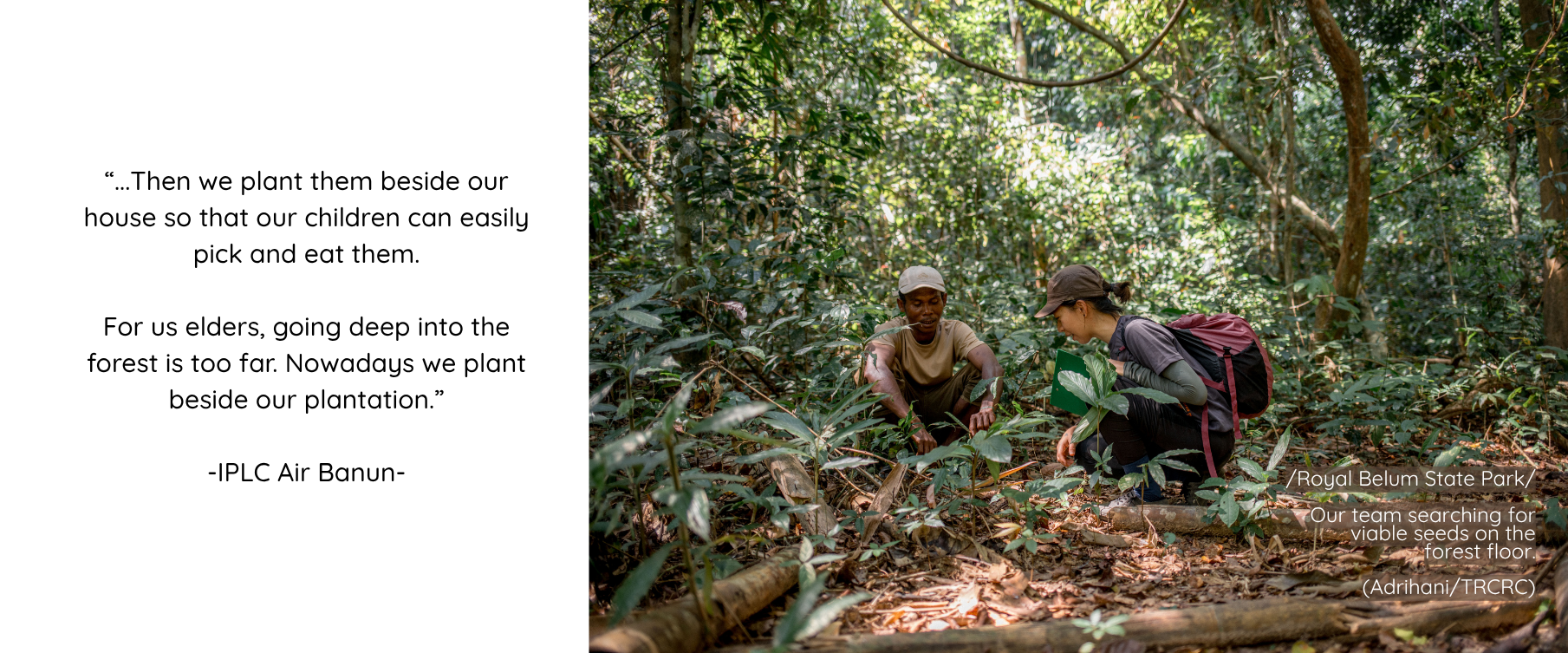
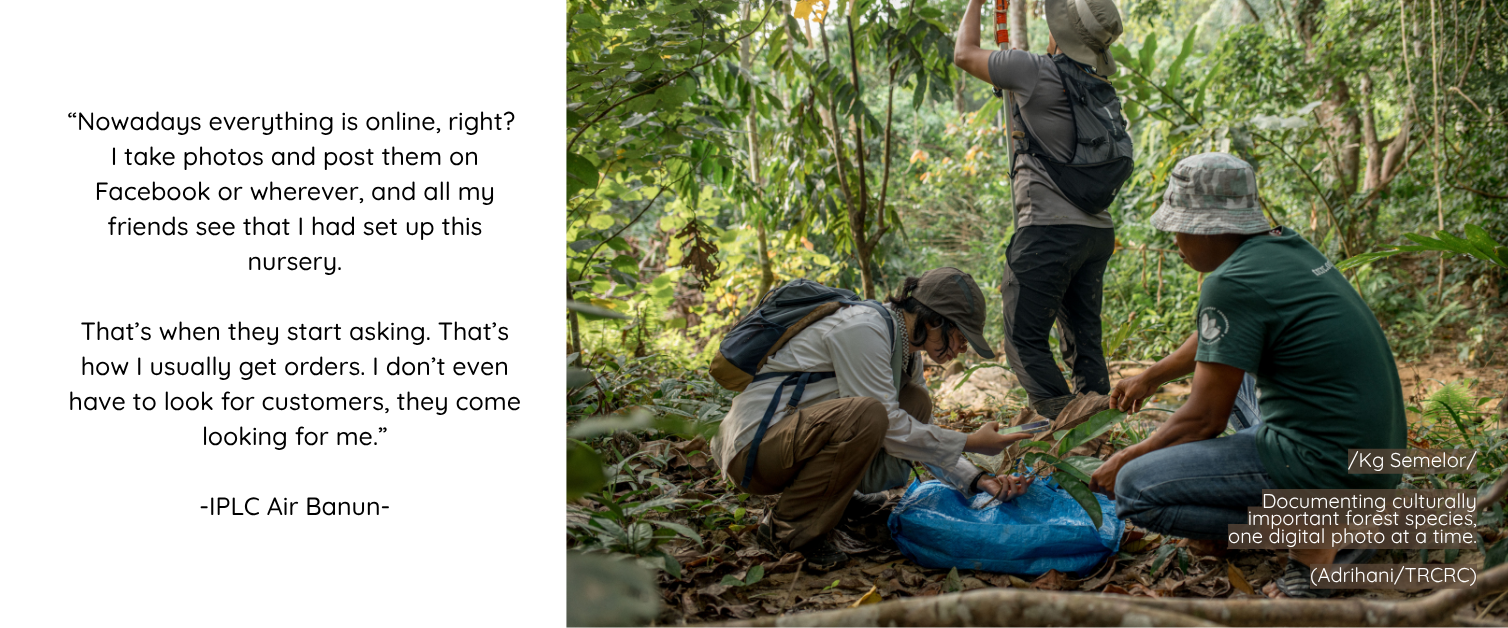
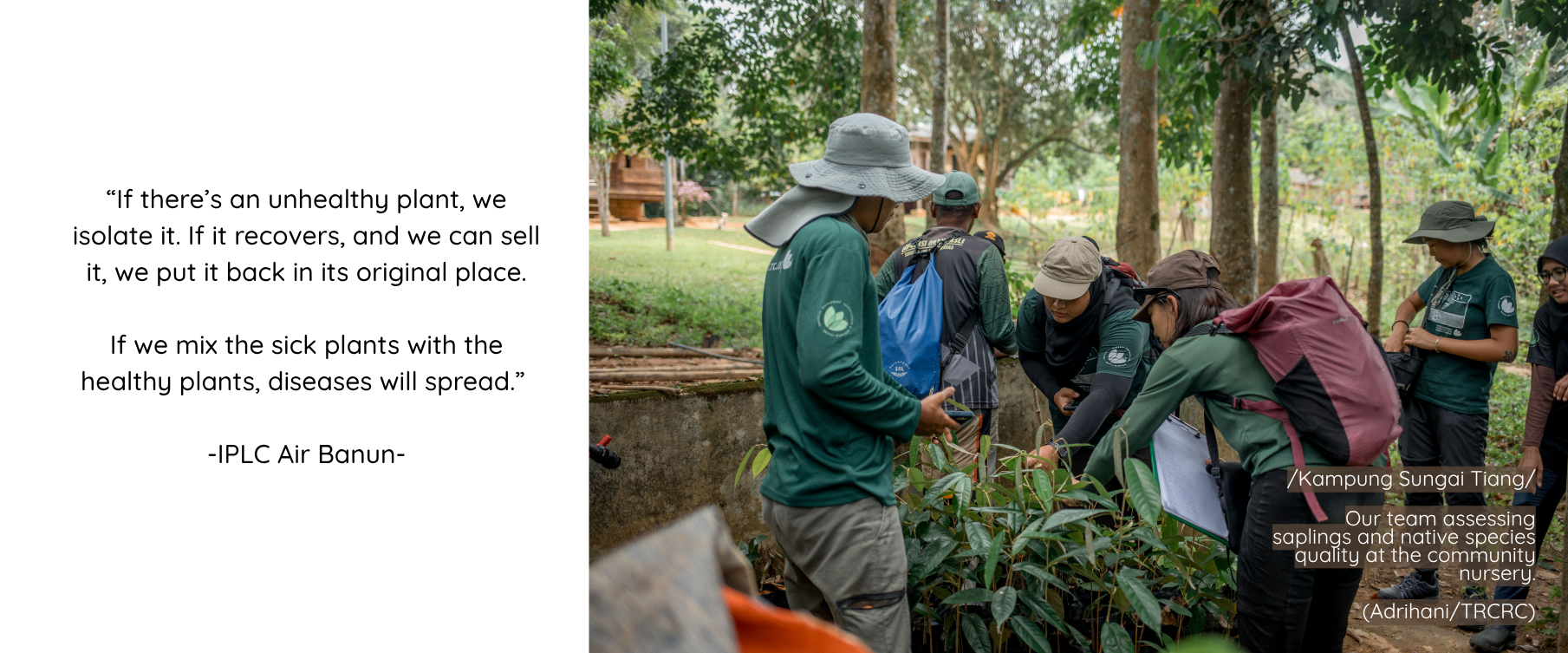
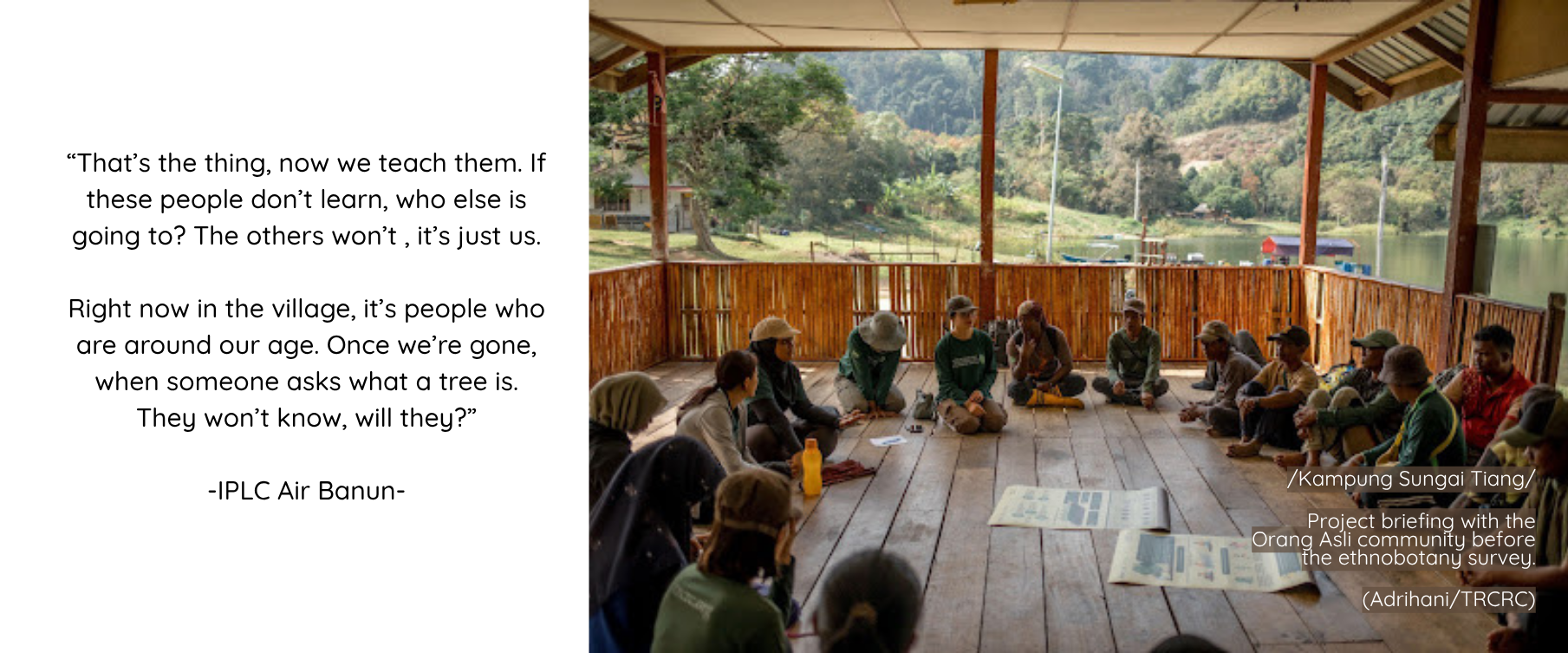
Along this 3-month journey, we planted trees, cared for seedlings, conducted biodiversity surveys and observations, carried out tree census monitoring and joined seed buyback activities with Orang Asli. All of these brought us closer to one shared goal, which is to conserve and restore our tropical rainforests.
None of these experiences would have been possible without the support of Yayasan Sime Darby @yayasansimedarbyofficial and collaboration with the involved organisations.
If you’ve ever wondered about being part of conservation, have faith and take that leap! You never know how much impact your journey could make.
Video made by: @keruinggg @alisvx.krz @arieztotle_ @papadullah00 #YCTP2026


Last week, we celebrated the graduation of 10 inspiring trainees from the 2026 Youth Conservation Trainee Programme (YCTP), marking the end of an incredible three-month journey of learning, growth, and hands-on conservation experience.
Throughout the programme, our trainees immersed themselves in biodiversity conservation, restoration ecology, and practical fieldwork while building meaningful friendships, valuable skills, and a deeper appreciation for protecting Malaysia’s natural heritage. Their dedication, curiosity, and passion have been truly inspiring, and we couldn’t be prouder of everything they’ve accomplished.
A sincere thank you to everyone who made this journey possible. From our trainers, mentors, and staff to our partners and supporters. Your guidance, encouragement, and commitment have helped shape the next generation of conservationists.
Congratulations to our YCTP 2026 graduates. This may mark the end of the programme, but it is only the beginning of your conservation journey in creating a more sustainable future. We look forward to seeing the positive impact each of you will make.
Special thanks to @biousm for delivering the certified module in biodiversity monitoring and restoration ecology, as our strong partners and supporter since the inaugural batch. In addition, we would also like to extend huge appreciation for @pulaubandingfoundation and @trace_umkpbf as the strategic partners at Belum-Temenggor Forest Complex.
Lastly, we extend our heartfelt appreciation to @yayasansimedarbyofficial for its continued support and unwavering commitment to empowering youth and advancing conservation efforts.

Snakes are often misunderstood, but they play an important role in maintaining the balance of our ecosystems.
This World Snake Day, join us for an evening of learning, discovery and appreciation for these fascinating creatures. Come and explore the world of snakes through engaging activities and educational sharing sessions while discovering why conserving these incredible species matters!
📅 Date: 16 July 2026 (Thursday)
⏰ Time: 7.00 PM – 10.00 PM
📍 Venue: Elmina Rainforest Knowledge Centre (ERKC)
Open to the public with limited slots available! Registration is required. Kindly fill in the Google Form to reserve your place 🔗
#WorldSnakeDay2026 #ElminaRainforestKnowledgeCentre #MalaysiaNatureSociety #TRCRC

Last week served as a powerful reminder of what committed collaboration can achieve when young people are given the space to lead, learn and take action.
Representatives from TRCRC joined the Rainforest Youth Summit (RAYS2026), where more than 1,700 youth participants, 50+ speakers from 37 countries, and 80+ organizations gathered at voco Kuching by IHG from 24–26 June under the theme "Youth: Many Ways, One Planet." Over three days, participants actively exchanged ideas, challenged perspectives, and co-developed practical recommendations on climate resilience, biodiversity conservation, cultural continuity, and sustainable development. 🌱 🌍
Beyond inspiring conversations, RAYS2026 emphasized action. Through the Planet Futures Forum, delegates worked together to develop recommendations that were put forward for collective voting, demonstrating how diverse voices can contribute to shaping future policies and decisions.
TRCRC was honored to contribute to these conversations, with our team sharing experiences in rainforest conservation while highlighting opportunities for youth engagement through initiatives such as the Young Conservationists Training Program (YCTP) and volunteer program. Investing in youth is just as important as investing in our forests, because building a resilient future requires both healthy ecosystems and empowered people. ✨
If you have a voice, let it be heard. Start where you are, however small, and let action be your language, grounded in evidence, sustained through consistency, and strengthened by collaboration. 🤝🤝
#RainforestYouthSummit #YouthManyWaysOnePlanet #YouthForNature #RAYS2026 #trcrc

🌿 𝐎𝐧𝐞 𝐌𝐨𝐧𝐭𝐡 𝐨𝐟 𝐋𝐞𝐚𝐫𝐧𝐢𝐧𝐠, 𝐀𝐝𝐯𝐞𝐧𝐭𝐮𝐫𝐞, 𝐚𝐧𝐝 𝐆𝐫𝐨𝐰𝐭𝐡 𝐢𝐧 𝐂𝐨𝐧𝐬𝐞𝐫𝐯𝐚𝐭𝐢𝐨𝐧 𝐰𝐢𝐭𝐡 𝐓𝐑𝐂𝐑𝐂 🌿
The Youth Conservation Trainee Programme has officially concluded its one-month journey at TRLC-Banun, marking an enriching experience filled with immersive training, hands-on fieldwork, and meaningful conservation activities. Throughout the programme, participants explored a wide range of topics, from GIS applications in restoration planning, soil science for reforestation, camera trap deployment, and seed conservation techniques to experimental design and seed sample preparation. They also gained practical exposure to tropical rainforest ecology through fieldwork on birds, bats, and fungi, while learning about habitat restoration, biodiversity monitoring, and conservation research.
Beyond the classroom, trainees took part in tree planting at Amanjaya Forest Reserve, visited Royal Belum State Park, supported the Community Seedlings Purchase Programme at Kampung Klewang, and joined the Banding Trail Walk organised by Pulau Banding Foundation. The programme also featured a Youth Conservation Career Day with @rimau_ngo , @perakstateparks , @wwfmy , @belumrainforestresort , and TRCRC, providing valuable insights into career pathways in conservation.
TRCRC extends its sincere appreciation to our strategic partners, @pulaubandingfoundation and @trace_umkpbf , for their collaboration and unwavering support in making this programme a success.
Most importantly, this initiative was made possible through the generous and continuous trust and support of @yayasansimedarbyofficial . Their commitment to empowering the next generation of conservation practitioners is manifesting stronger capacity and quality workforce for the conservation industry.
We look forward to seeing the young conservation trainee continue to charting their fruitful journey in July back at Selangor.
📹 Video edited by YCTP Trainee
@alisvx.krz , @1withtheflow , @arieztotle_
#YCTP #Youth #Conservation #PulauBanding #YayasanSimeDarby

TRCRC is pleased to announce the signing of a Memorandum of Understanding (MoU) with Urban Hallmark Properties (UHP) to support Botanik Point’s journey towards ArbNet Level I Accreditation. 🌿
Located adjacent to the Ampang Forest Reserve, Botanik Point has committed approximately 30% of its site as a green lung, reflecting a shared vision of integrating biodiversity considerations into urban development.
Through this collaboration, TRCRC will provide guidance as UHP works towards ArbNet requirements.
As Malaysia continues to urbanise, thoughtfully managed green spaces can play an important role in supporting biodiversity, ecological resilience, and meaningful connections between people and nature.
We look forward to working with UHP on this exciting initiative. ✨
#TRCRC #UrbanBiodiversity #ArbNet #Biodiversity #BotanikPoint

Our ERKC staff recently attended the @mpogcfofficial Biodiversity Forum 2026 in Putrajaya (3–4 June), which brought together different stakeholders to exchange perspectives on biodiversity conservation within production landscapes.
The forum highlighted the palm oil sector’s progress in supporting wildlife coexistence within plantation landscapes, while showcasing diverse conservation approaches across organisations and species. Discussions reinforced the need to move beyond site-level and single-species efforts, focusing instead on forest integrity, habitat connectivity, and other landscape-scale ecosystem functions.
A key takeaway was the need to look beyond flagship species and include keystone predators and indicator species, such as birds, which offer important insights into ecosystem health. The forum also highlighted the importance of cross-sector collaboration and landscape-scale approaches to achieve meaningful conservation outcomes.
These discussions reinforce the importance of protecting not just species, but the ecosystems and landscape connections that enable both nature and people to thrive.
#TRCRC #BiodiversityForum2026 #ForestRestoration #LandscapeRestoration #biodiversityconservation

🌿 𝐋𝐞𝐭`𝐬 𝐂𝐞𝐥𝐞𝐛𝐫𝐚𝐭𝐞 𝐖𝐨𝐫𝐥𝐝 𝐑𝐚𝐢𝐧𝐟𝐨𝐫𝐞𝐬𝐭 𝐃𝐚𝐲 𝟐𝟎𝟐𝟔! 🌿
This year`s theme, "𝐓𝐡𝐞 𝐅𝐨𝐫𝐞𝐬𝐭 𝐖𝐢𝐭𝐡𝐢𝐧 𝐘𝐨𝐮" reminds us that rainforests are more than places on a map - they are part of our lives. They provide the air we breathe, help regulate our climate, support biodiversity, and inspire cultures and communities around the world. By making conscious choices and caring for nature, we help protect the forests that sustain both people and the planet. 🌳💚
In conjunction with World Rainforest Day (22nd June), TRCRC invites you to join our 𝐑𝐚𝐢𝐧𝐟𝐨𝐫𝐞𝐬𝐭 𝐃𝐢𝐬𝐜𝐨𝐯𝐞𝐫𝐲 𝐃𝐚𝐲 at the Elmina Rainforest Knowledge Centre (ERKC)!
🗓️ 𝟐𝟐 𝐉𝐮𝐧𝐞 𝟐𝟎𝟐𝟔 (𝐌𝐨𝐧𝐝𝐚𝐲)
🕘 𝟗:𝟎𝟎 𝐀𝐌 – 𝟏𝟐:𝟎𝟎 𝐏𝐌
📍 𝐄𝐥𝐦𝐢𝐧𝐚 𝐑𝐚𝐢𝐧𝐟𝐨𝐫𝐞𝐬𝐭 𝐊𝐧𝐨𝐰𝐥𝐞𝐝𝐠𝐞 𝐂𝐞𝐧𝐭𝐫𝐞 (𝐄𝐑𝐊𝐂)
🎟️ 𝐅𝐫𝐞𝐞 𝐀𝐝𝐦𝐢𝐬𝐬𝐢𝐨𝐧
Explore our tropical rainforest through:
🌱 Conservation Talk
🌿 Nursery Tour
🪴 Hands-on Transplanting Workshop
🌳 Fruit Tree Saplings Giveaway
⚠️ Limited to 40 participants only. Registration is required.
Scan the QR code on this poster or register via the link in our Instagram bio to secure your spot today!
#WorldRainforestDay #TheForestWithinYou #RainforestDiscoveryDay #RainforestConservation