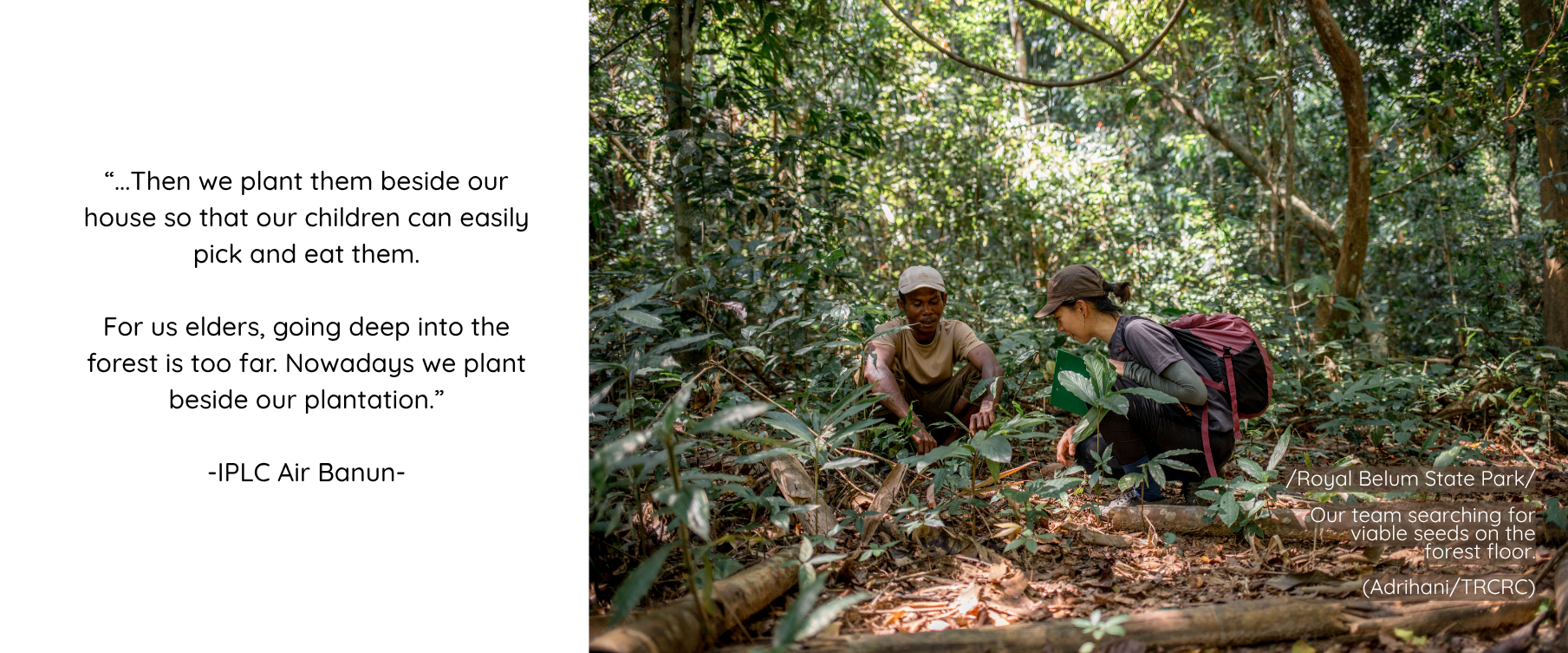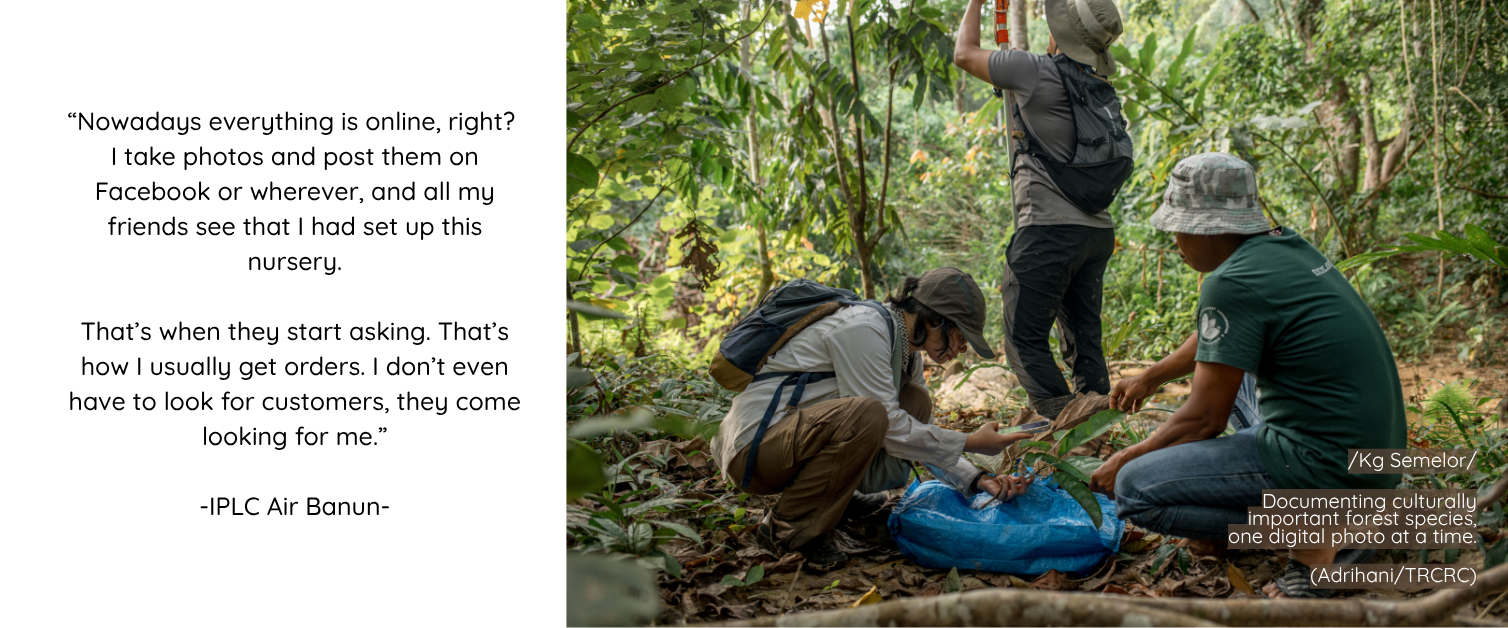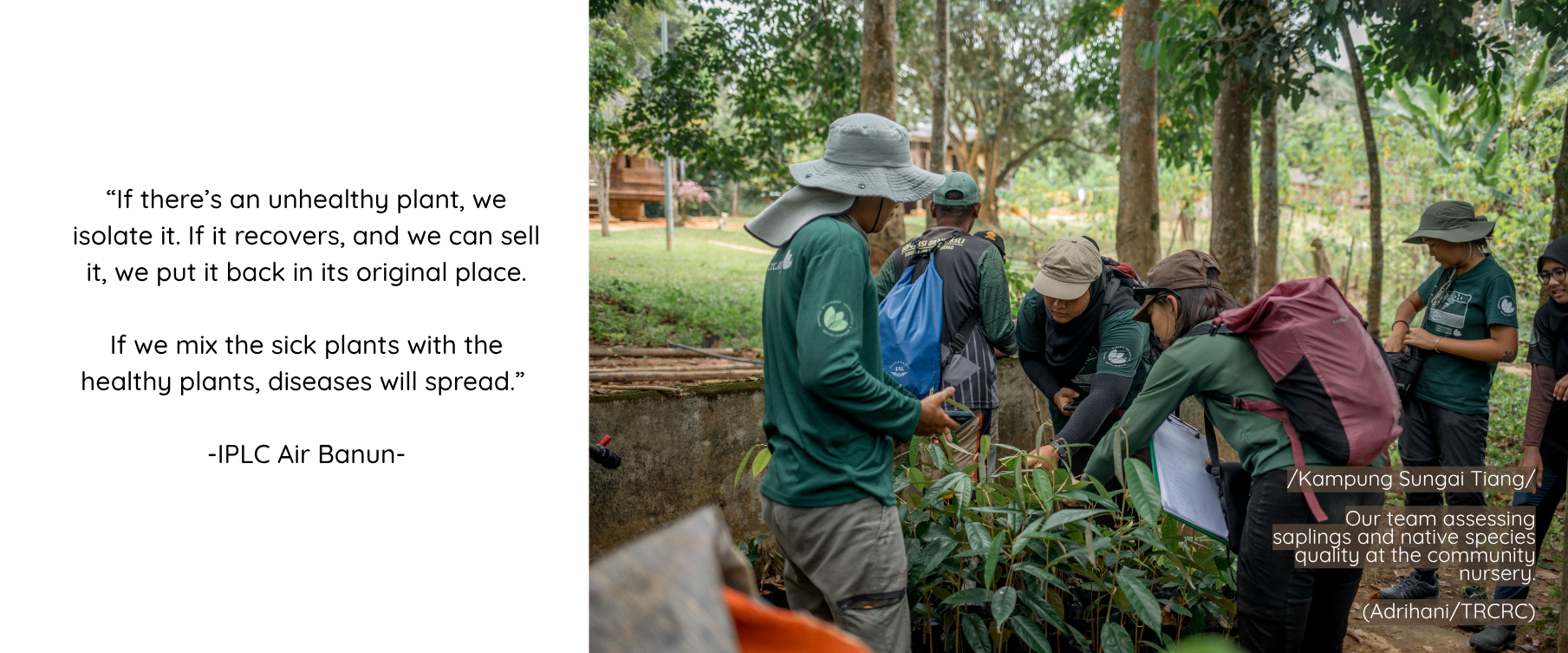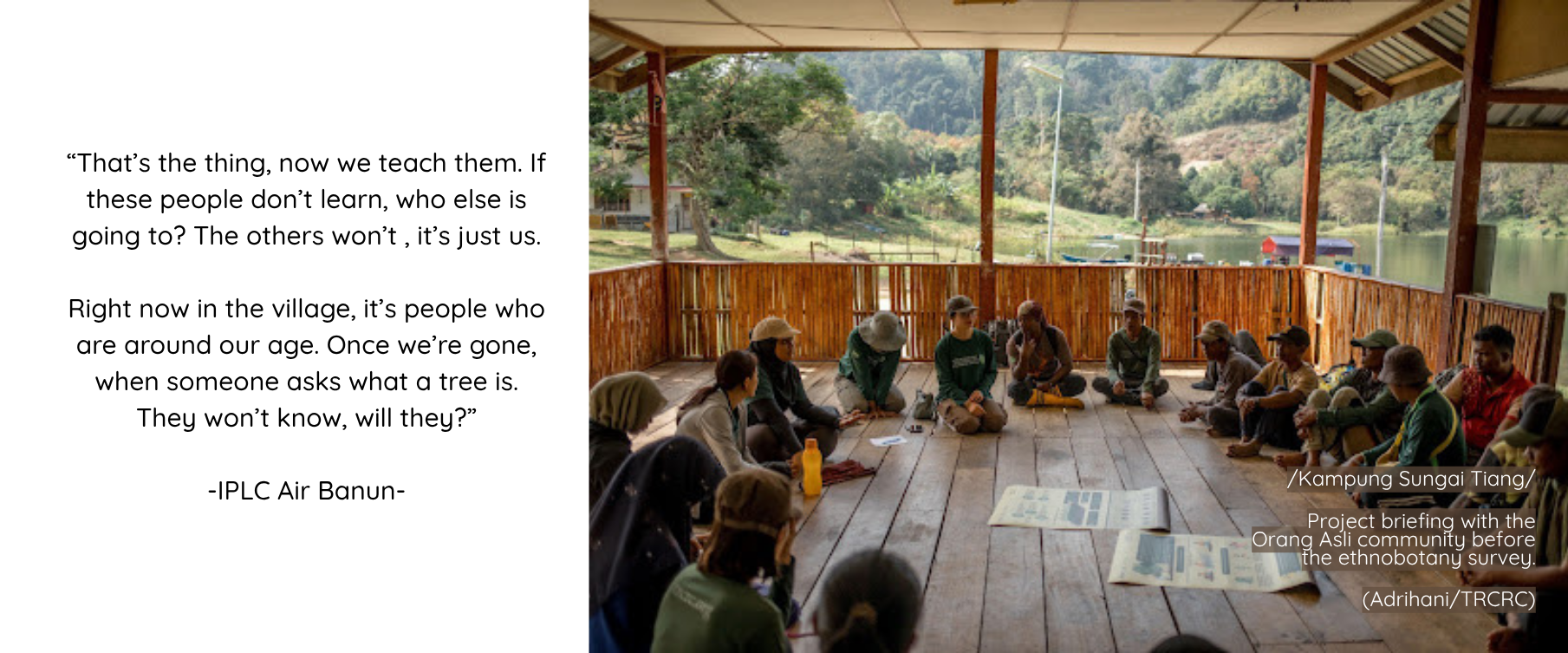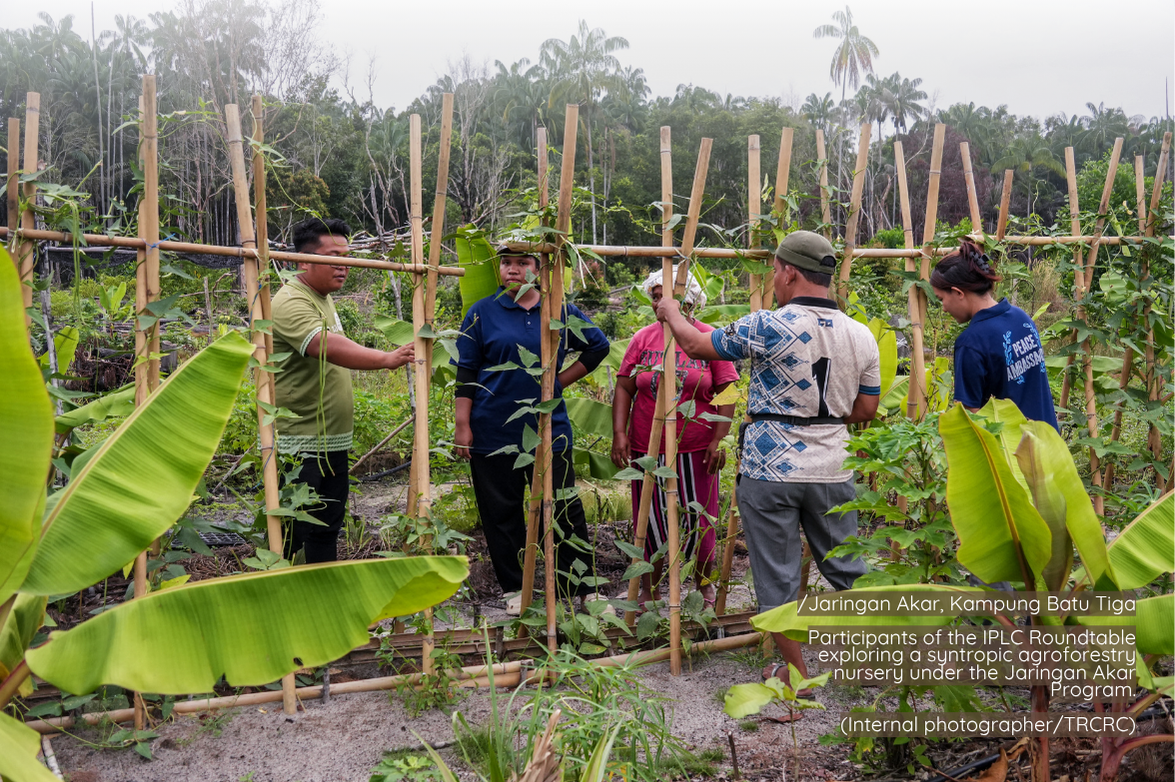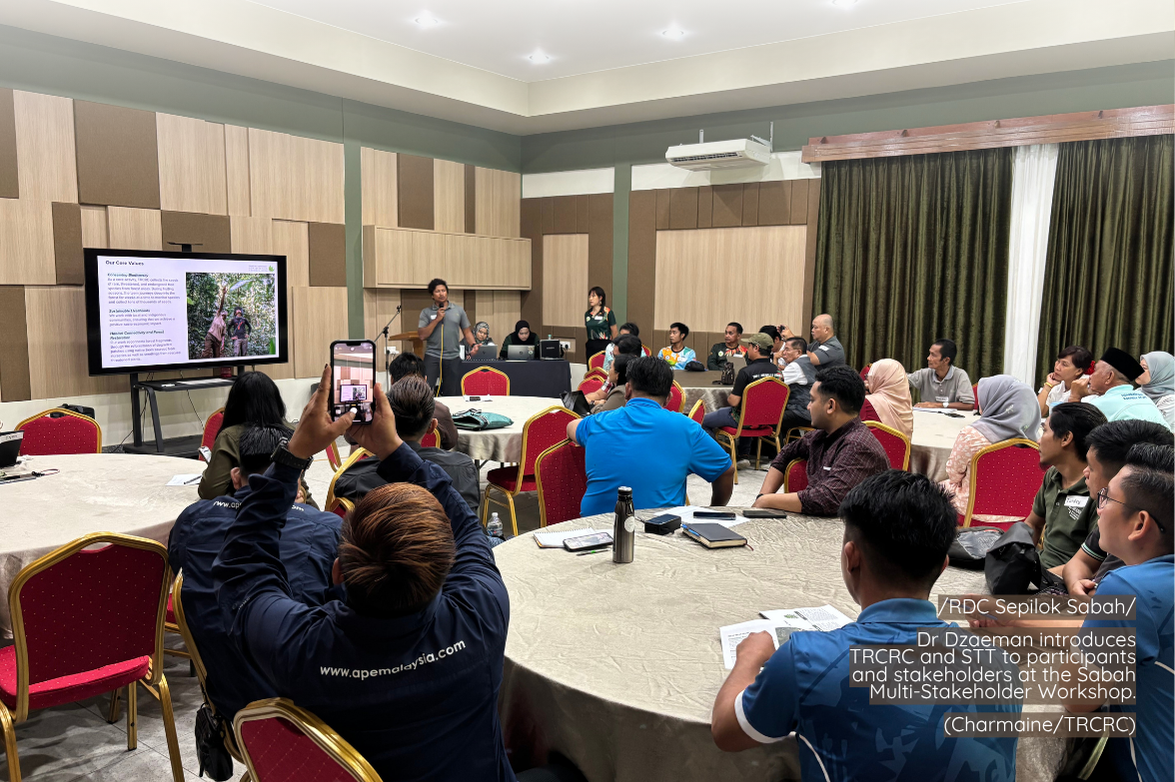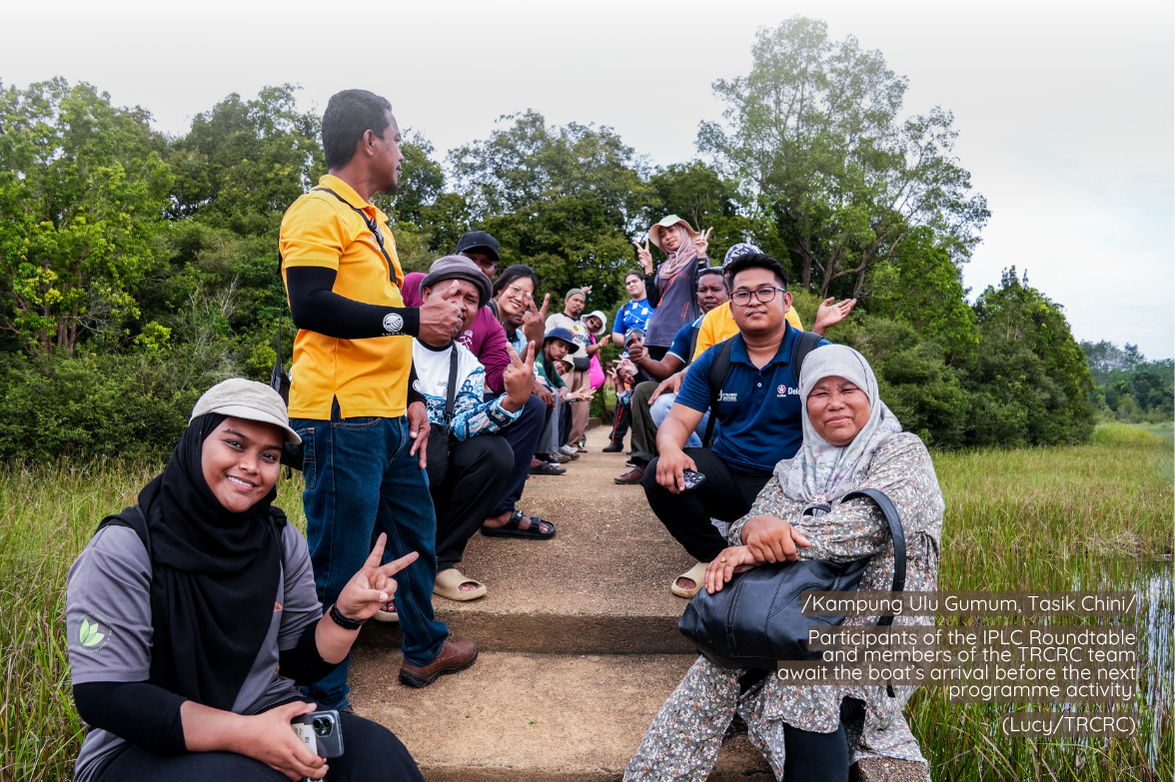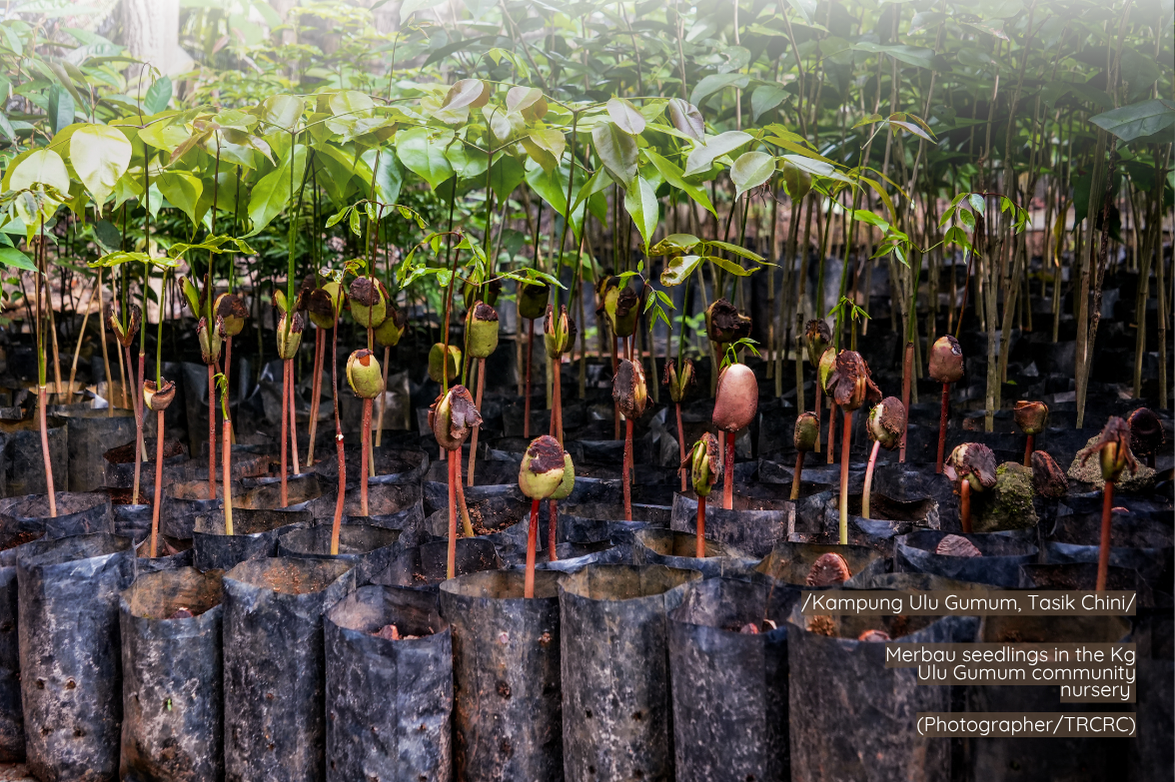

On 3 November 2026, TRCRC was honoured to receive the Biji Alam Harapan Grant - an RM10,000 matching grant that will support the development of a user-friendly, multilingual forest conservation field guide documenting the Indigenous Ecological Knowledge (IEK) of the Temiar and Jahai communities in RPS Air Banun, Perak.
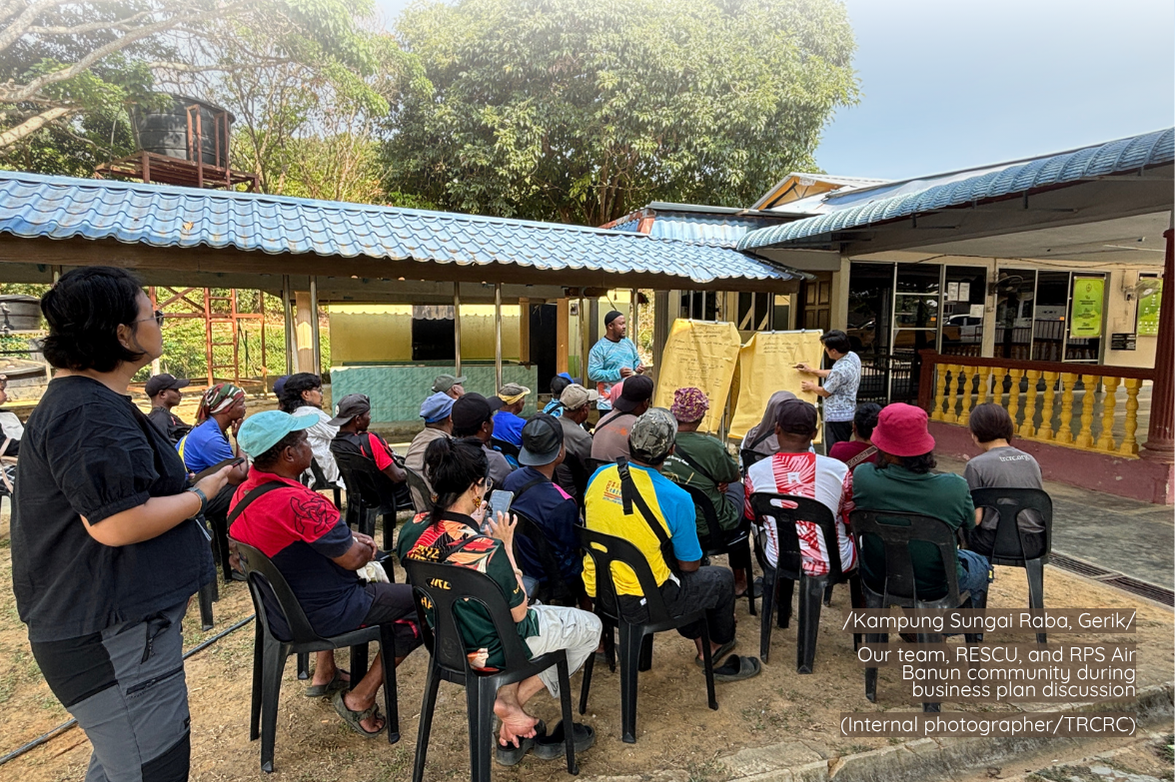
The grant will allow our team to continue working alongside Orang Asli communities to bring together Indigenous knowledge and mainstream science, recognising the value of multiple ways of knowing in shaping more inclusive and effective conservation practices.
We are grateful for this opportunity and look forward to bringing this initiative to life together with the communities 🍃
Thank you to Biji Alam Conservation Society and Elaine Mok-Parsons for the generous support, and to our community partners for the continued trust and collaboration on our shared goals.
We also would like to congratulate our fellow Harapan Grantee MareCet Research Organization, and the Biji Alam Awardees Dr Faiz Hanapiah and Ts. Gs. Dr Chong Wei Sheng! All the best with your projects ✨
#TRCRC #IndigenousEcologicalKnowledge #IEK #BiodiversityConservation #ForestConservation #CommunityLedConservation
Photos by TS Loh @ Synergy Visual Communications


Since May 2026, Tenaga Nasional Berhad (TNB), in collaboration with TRCRC and the Perak State Forestry Department, are dedicated to restore an area of 1 hectare of open degraded landscape through Community-Based Restoration Programme at Amanjaya Forest Reserve, Hulu Perak, recognising the central role of Indigenous People and Local Community (IPLCs) in Belum-Temenggor Forest Complex.
Photos by Bryan Yong/Ecocupid (@ecocupid)
On 13 October 2026, 80 participants from TNB, IPLCs from RPS Air Banun, Perak State Forestry Department, and Hulu Perak District Forestry Office gathered to plant the final 300 trees of the total 3,000 trees commitment to commemorate the collective conservation effort from multi-agency collaboration.
We’re honoured to have Yang Berbahagia Dato’ Ar. LA. Meor Roslan bin Dato’ Seri Haji MEOR Ahmad Rashidi, Orang Besar Jajahan Hulu Perak joined us for the event as recognition of TRCRC restoration effort in Hulu Perak, and received a handwoven Indigenous artwork known as Kelarai from Omar bin Pura, member from TRCRC’s Ground Team (G-Team).
En Mohd Suhairi, General Manager (Retail and Stakeholders - Perak), Tenaga Nasional Berhad (TNB), presented a mock cheque to Dr Dzaeman Dzulkifli, Executive Director of TRCRC.
The symbolic tree-planting ceremony was joined by the five distinguished representatives each planted a native tree species, including Merbau (Intsia palembanica), Gerutu-gerutu (Parashorea stellata), Merawan Siput Jantan (Hopea odorata), and Keruing Gombang Merah (Dipterocarpus kunstleri), among other 23 species planted in the 1 hectare of restoration area.
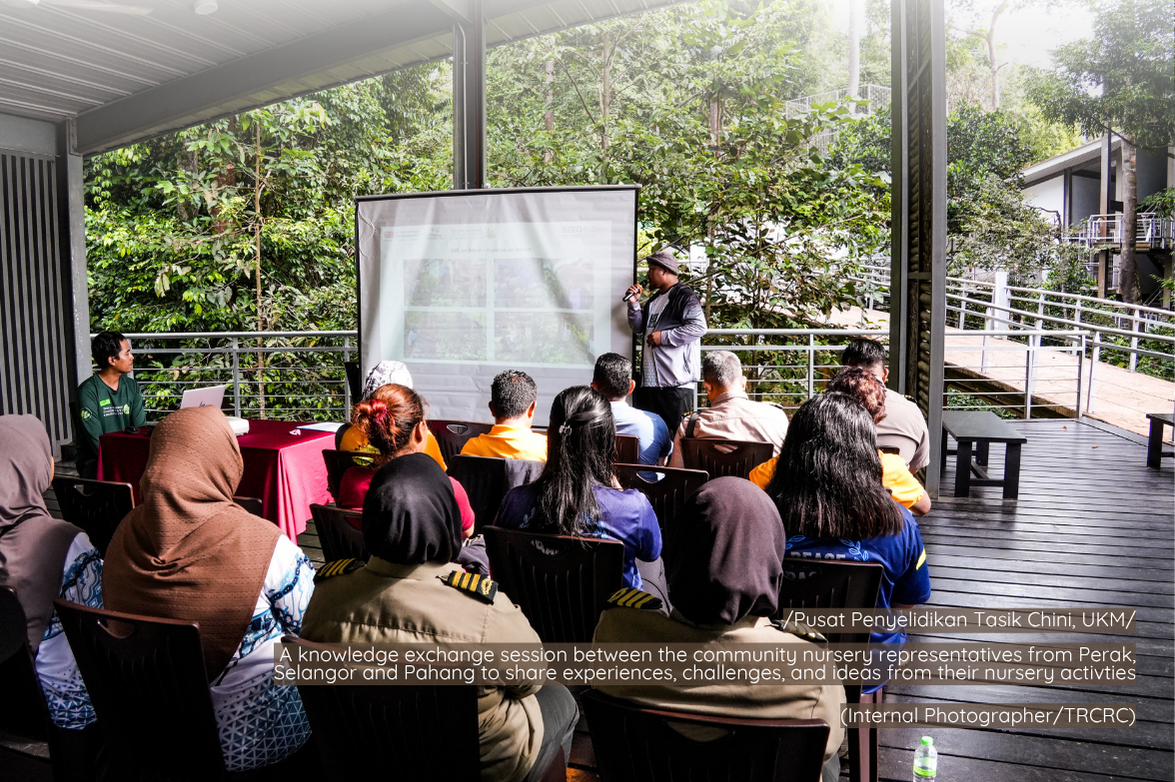
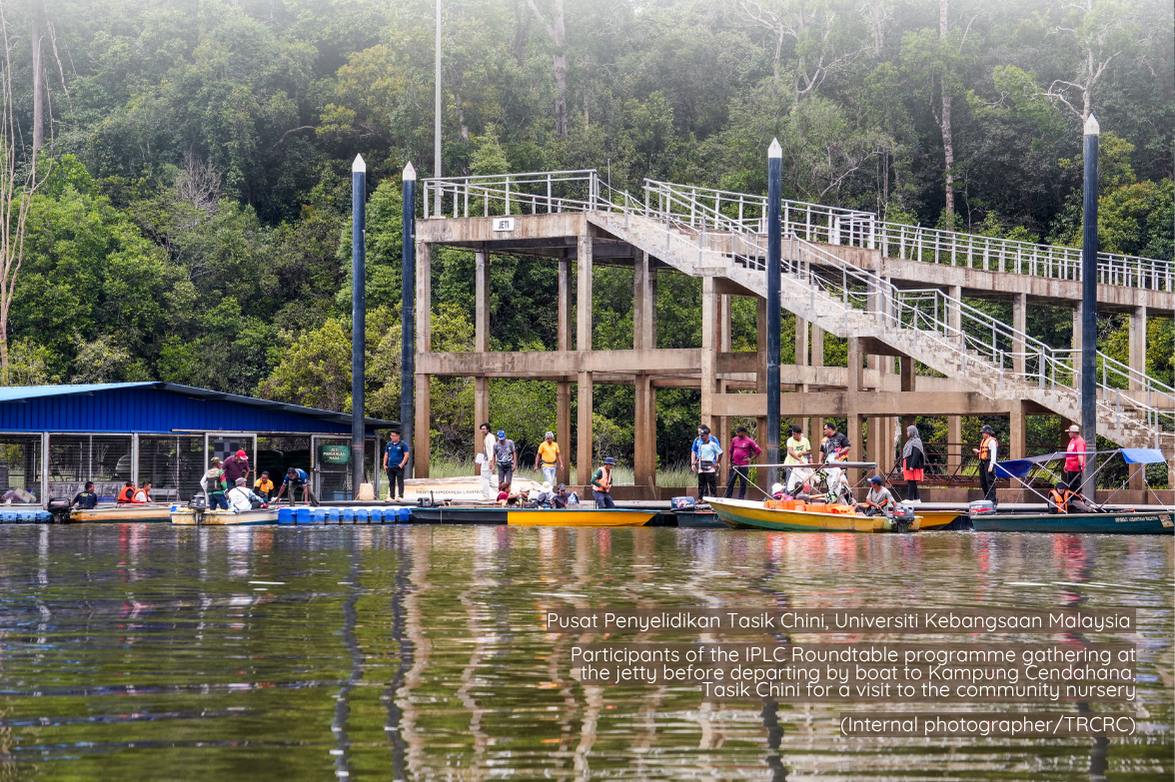
The Jahai and Temiar communities from the Jehuk Hub and Jehuk Serog Community Nursery Team, together with other Orang Asli community members, have been actively demonstrated their commitment to the restoration and seed supply chain.
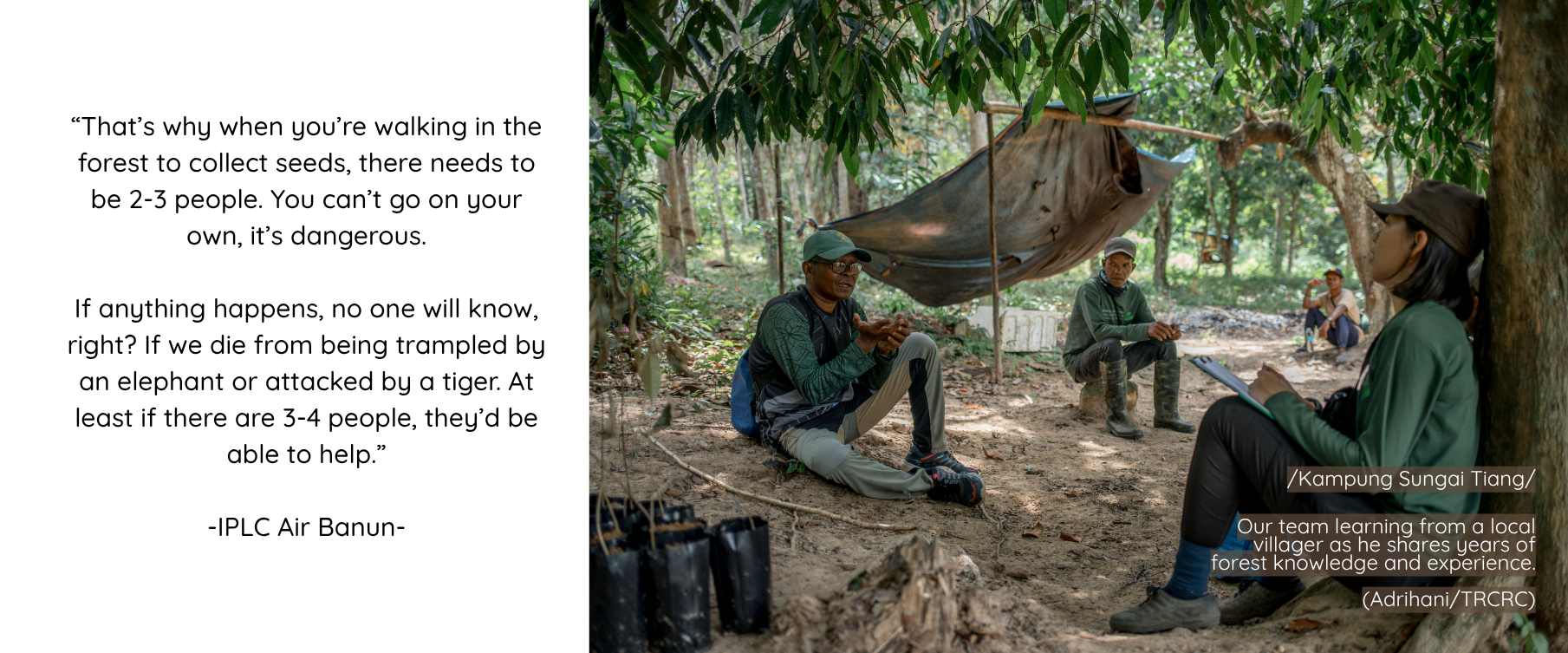
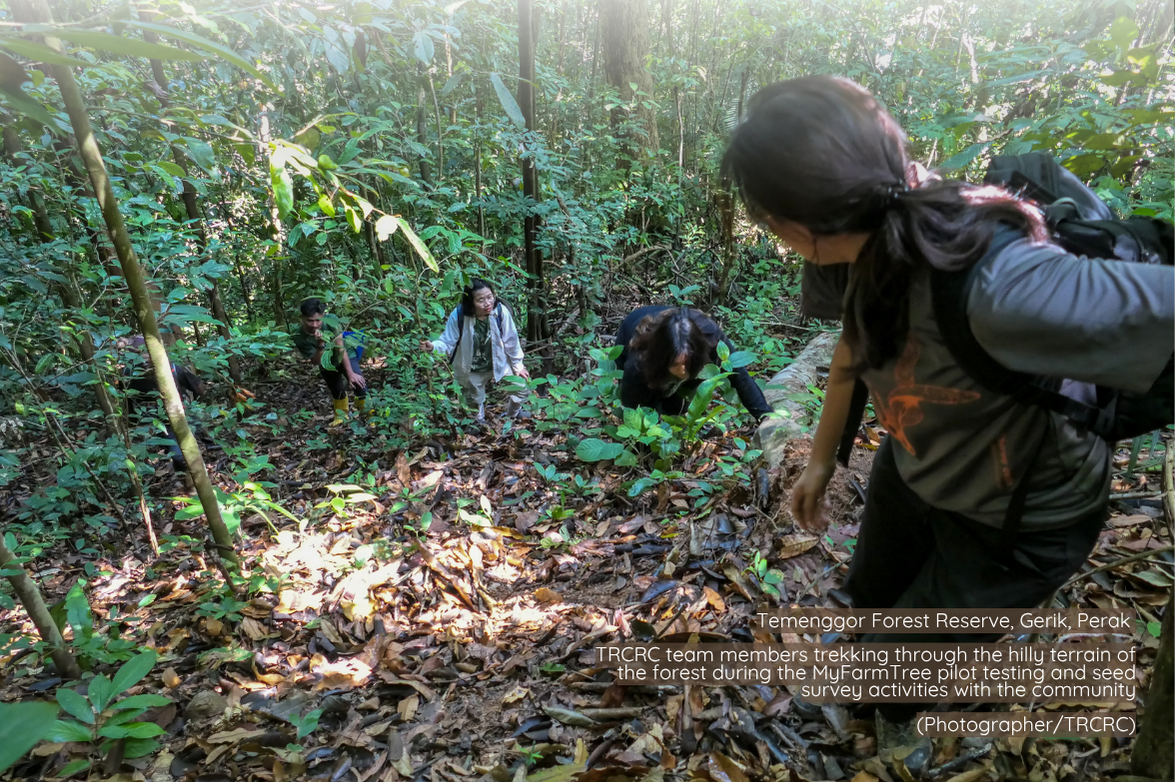
TRCRC social forestry approach focusing on meaningful collaboration with Indigenous Peoples and Local Communities (IPLCs) within the Belum–Temenggor Forest Complex to take an active role throughout the native restoration supply chain — from seed and seedling sourcing, raising high-quality native planting stocks, and site preparation to implementing

We know you have been waiting for this…
𝐓𝐑𝐄𝐄 𝐏𝐋𝐀𝐍𝐓𝐈𝐍𝐆 𝐕𝐎𝐋𝐔𝐍𝐓𝐄𝐄𝐑 𝐎𝐏𝐏𝐎𝐑𝐓𝐔𝐍𝐈𝐓𝐘 𝐈𝐒 𝐇𝐄𝐑𝐄 𝐀𝐆𝐀𝐈𝐍!
Our tree planting activities have always received so much love and support. We know there’s nothing quite like getting your hands in the soil and planting trees for a good cause.
You’ve planted with us and contributed in making a difference. Now, we’re so excited to welcome you back for another round!
This year, we are ecstatic to invite you at our new restoration sites. Let’s wonder what awaits you there...
Whether you’re a returning volunteer or joining us for the first time, we’d love to have you on board with our restoration journey.
📍𝗪𝗶𝗹𝗱𝗹𝗶𝗳𝗲 𝗣𝗮𝗿𝗸, 𝗘𝗹𝗺𝗶𝗻𝗮
🗓️ 𝟳𝘁𝗵, 𝟭𝟰𝘁𝗵 𝗮𝗻𝗱 𝟮𝟴𝘁𝗵 𝗡𝗼𝘃𝗲𝗺𝗯𝗲𝗿 𝟮𝟬𝟮𝟲
🕢 𝟳:𝟯𝟬 𝗮.𝗺. - 𝟮:𝟬𝟬 𝗽.𝗺.
👥 𝗠𝗮𝘅 𝟳𝟬 𝗽𝗮𝘅 𝗽𝗲𝗿 𝘀𝗲𝘀𝘀𝗶𝗼𝗻
All participants must strictly be 13 years old and above only.
Gather your friends and family, let’s get planting! 🌳💚
Scan the QR code on the second image or click the link in our bio to register.
We can’t wait to see you there!
#treeplanting #urbanbiodiversity #conservation

On 16 and 17 October 2026, TRCRC staffs, together with dedicated volunteers, carried out a seed collection session at Kuala Klawang, Negeri Sembilan.
The seeds collected were brought to Elmina Living Collection Nursery (ELCN) for careful propagation, preserving plant diversity and supporting the continued availability of planting stock for future conservation and restoration efforts. TRCRC continues to conserve native plant species and the restoration of Malaysia’s tropical rainforest.
Species collected include:
• 𝘍𝘪𝘤𝘶𝘴 𝘳𝘢𝘤𝘦𝘮𝘰𝘴𝘢
• 𝘟𝘢𝘯𝘵𝘰𝘱𝘩𝘺𝘭𝘭𝘶𝘮 𝘴𝘱.
• 𝘚𝘺𝘻𝘺𝘨𝘪𝘶𝘮 𝘤𝘧 𝘴𝘤𝘰𝘳𝘵𝘦𝘤𝘩𝘪𝘯𝘪𝘪
• 𝘏𝘰𝘳𝘴𝘧𝘪𝘦𝘭𝘥𝘪𝘢 𝘮𝘢𝘫𝘶𝘴𝘤𝘶𝘭𝘢
• 𝘚𝘢𝘳𝘢𝘤𝘢 𝘵𝘩𝘢𝘪𝘱𝘪𝘯𝘨𝘦𝘯𝘴𝘪𝘴
• 𝘋𝘳𝘢𝘤𝘰𝘯𝘵𝘰𝘮𝘦𝘭𝘰𝘯 𝘥𝘢𝘰
• 𝘘𝘶𝘦𝘳𝘤𝘶𝘴 𝘢𝘳𝘨𝘦𝘯𝘵𝘢𝘵𝘢
• 𝘍𝘪𝘤𝘶𝘴 𝘳𝘪𝘥𝘭𝘦𝘺𝘢𝘯𝘢
• 𝘏𝘺𝘥𝘯𝘰𝘤𝘢𝘳𝘱𝘶𝘴 𝘤𝘢𝘴𝘵𝘢𝘯𝘦𝘶𝘴
We extend our appreciation to the Keidanren Nature Conservation Fund (KNCF) for funding our seed collection activities. Their support enables us to continue collecting and propagating native plant species, strengthening our living collection and contributing to long-term conservation efforts.
#seedcollection #conservation

What happens when a forest becomes fragmented?
Species are lost. Genetic diversity declines. Wildlife can no longer move.
At INTAC 2026, Intan shared how TRCRC is answering this question in the Klang Valley - by reconnecting green spaces, restoring native tree species and bringing wildlife back into the city.
The Elmina Urban Biodiversity Corridor is proof that nature and urban development can coexist - with more than 80% tree survival, 101 bird species recorded and a 2.1 km habitat corridor restored.
Restoration works and restoring a rainforest isn’t just about planting trees; it’s about planting the right native trees, in the right places, with the right people 🤝🌱
Thank you INTAC2026 and @parmmalaysia for the platform to share this work.
#INTAC2026 #urbanrewilding #tropicalarboriculture #TRCRC #rainforestconservation

Tropical Rainforest Conservation & Research Centre (TRCRC) hosted a group discussion and introductory session on the Taskforce on Nature-related Financial Disclosures (TNFD), bringing together representatives from conservation organisations to explore the role of nature-related financial disclosures in advancing conservation efforts in Malaysia.
The session featured Mr. Andrew Mitchell, Vice Chair of the TNFD Stewardship Council, who provided insights into the TNFD framework and its role in helping businesses and financial institutions identify, assess, and manage their nature-related dependencies, impacts, risks, and opportunities in line with the Global Biodiversity Framework.
The discussion brought together representatives from RIMAU, Free Tree Society, ZSL Malaysia, MNS and WCS Malaysia, providing a valuable platform to exchange perspectives and explore opportunities to integrate nature-related considerations into conservation and restoration initiatives.
Through this engagement, representatives explored how the TNFD framework could help bridge the gap between conservation priorities and financial decision-making, while supporting greater collaboration and sustainable outcomes for Malaysia’s natural heritage.

Pada Hari Malaysia yang penuh bermakna ini, kami turun ke lapangan untuk menyiram pokok-pokok tempatan dan menanam pokok kebangsaan kita iaitu pokok Merbau. Langkah kecil yang kita lakukan hari ini menjadi usaha besar dalam memelihara kelestarian hutan demi generasi yang akan datang.
Walaupun dalam keadaan jerebu, kami tetap meneruskan langkah demi kelestarian Bumi yang kita panggil rumah.
Semoga kita terus menanam, melindungi dan menghargai warisan alam semula jadi yang menjadikan Malaysia rumah kita bersama.
Selamat Hari Malaysia, Malaysiaku 🇲🇾🌳
—
On this wonderful Malaysia Day, our team goes out on site, watering our native trees and planting our national tree Merbau, nurturing the forests of today for the generations to come.
Every small step we take today contributes to preserving the beauty and biodiversity of our forests for generations to come.
Despite the haze, we continue to care for the land we call home.
May we continue to grow, protect and cherish the natural heritage that makes Malaysia home.
Selamat Hari Malaysia, Malaysiaku 🇲🇾 🌳

At the 8th International Conference on Tropical Resources and Sustainable Science (CTReSS), Dr Maria Wang Mei Hua, collectively contributed from the team at Tropical Rainforest Living Collection Banun (TRLC-Banun) submitted a conference paper titled “Developing a Tropical Rainforest Living Collection to Support Native Tree Conservation and Forest Restoration in Malaysia.”
Dr Maria also delivered an E-Oral Presentation highlighting TRLC-Banun, located within the Amanjaya Forest Reserve of the Belum-Temenggor Forest Complex. Her presentation explored the role of TRLC-Banun in restoring degraded landscapes through the propagation and restoration of suitable habitats for the conservation and recovery of endangered and high-value native tree species.
The paper further explored the Integrated Ecosystem Management (IEM) component, integrating plant conservation, forest restoration, community participation, and sustainable ecotourism within a single management framework. This integrated approach provides a scalable model for strengthening biodiversity conservation while supporting future restoration research and sustainable landscape management in Malaysia.
𝐂𝐨𝐧𝐠𝐫𝐚𝐭𝐮𝐥𝐚𝐭𝐢𝐨𝐧𝐬 𝐭𝐨 𝐃𝐫 𝐌𝐚𝐫𝐢𝐚 𝐖𝐚𝐧𝐠 𝐌𝐞𝐢 𝐇𝐮𝐚 𝐨𝐧 𝐰𝐢𝐧𝐧𝐢𝐧𝐠 𝐭𝐡𝐞 𝐁𝐞𝐬𝐭 𝐄-𝐎𝐫𝐚𝐥 𝐏𝐫𝐞𝐬𝐞𝐧𝐭𝐞𝐫 𝐀𝐰𝐚𝐫𝐝 𝐢𝐧 𝐭𝐡𝐞 𝐁𝐢𝐨𝐝𝐢𝐯𝐞𝐫𝐬𝐢𝐭𝐲 𝐂𝐨𝐧𝐬𝐞𝐫𝐯𝐚𝐭𝐢𝐨𝐧 𝐂𝐚𝐭𝐞𝐠𝐨𝐫𝐲! 🏆🌿
We would also like to express our highest appreciation to the UMK Faculty of Earth Science for the sponsored invitation to contribute this paper. Congratulations on the success of the conference!
@officialumk
Full Video Link on Bio 🔗 or Scan QR Code in Image 3️⃣